Smart Kitchen Appliance Picks to Save Money
Transform Your Space: Essential Facts Regarding Home Renovation Work for Each House Owner
Many householders want to find options to upgrade their living spaces through home improvement projects. These projects can range starting with kitchen improvements to complete home renovations. Knowing the choices accessible is necessary to making informed decisions. Moreover, one must consider tangible aspects such as setting a budget and choosing the right builder. As householders start this endeavor, they may run into surprising obstacles. Achieving a successful makeover lies in careful planning and implementation. What steps should be taken next?
Understanding the Different Types of Residential Renovation Work
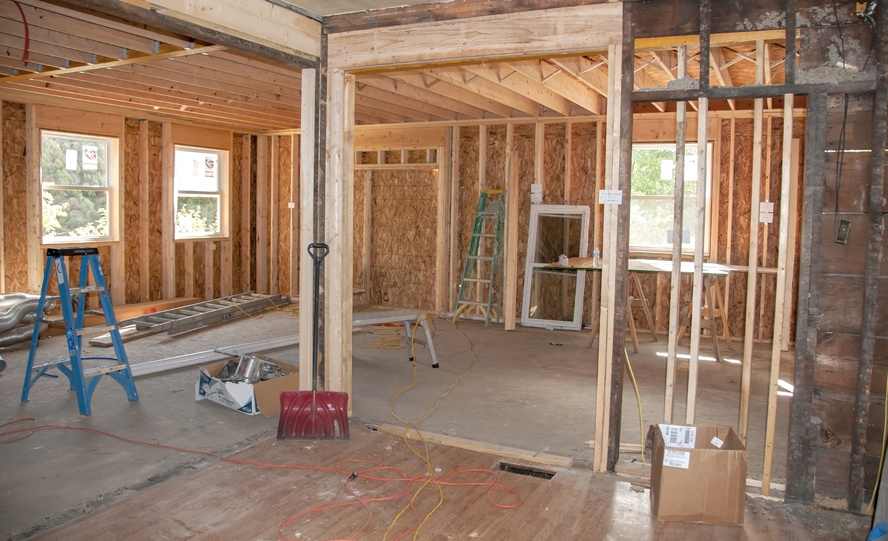
As householders look to improve their residences, they often encounter a variety of remodeling services designed for specific preferences and preferences. These projects are generally grouped into several types, each addressing specific aspects of home improvement. Kitchen renovations center on upgrading equipment, cabinetry, and the design to improve usability and the look. Bathroom remodeling typically involves upgrading fixtures, the ceramic work, and shelving options for greater ease and visual flair.
Complete residential remodeling includes extensive modifications to the entire house, sometimes requiring major structural work to maximize the area and layout. External improvement work, on the other hand, focus on boosting the home's outward appearance, dealing with the cladding, roofing, and the yard. Additionally, specialized services including converting the cellar and upgrading the attic allow homeowners to maximize neglected parts of the home. Each type of remodeling service delivers specific perks, enabling homeowners to choose options that align with their vision for their residence. Understanding these distinctions is crucial to deciding intelligently while undertaking the upgrade.
Creating an Attainable Financial Limit for Your Home Improvement Work
How can homeowners guarantee their renovation work stays within budget? Setting a practical budget is crucial. Property owners must start by determining their fiscal limits, covering savings and possible funding sources. This first stage allows one to figure out the funds available for the renovation without compromising other financial responsibilities.
Afterward, those undertaking the remodel should research the costs associated with their desired renovations, including materials, labor, and surprise expenses that tend to crop up. Making an exhaustive list of needs aids in distinguishing essentials from desirable features, making it possible to adjust if funds become limited.
It is smart to incorporate a reserve fund, typically around 10-20% of the total budget, to account for surprise expenditures. Frequently checking and modifying the budget throughout the remodeling process can also help maintain financial control. In the end, a carefully structured budget does more than just confirm the project can be done and makes the whole updating experience better for homeowners.
Finding the Best Contractor to Suit Your Project.
Choosing the appropriate professional has a major influence on the outcome of an updating effort. Property owners ought to start by performing extensive investigation, looking for suggestions from acquaintances, relatives, or web feedback. It is essential to confirm documentation, like licenses, insurance, and bonds, to confirm legitimacy.
When prospective builders are located, property owners must ask for comprehensive quotes and schedules, allowing for informed comparisons. Meeting with them offers a look at their manner of communicating and their professional conduct, that are key to a cooperative effort.
In addition, looking at summary completed jobs through galleries or recommendations demonstrates the professional's skill level. It is wise to question them regarding warranties or safeguards, indicating the builder's certainty about their services.
Ultimately, selecting a contractor who aligns with the homeowner’s vision, budget, and timeline creates a better renovation journey, making certain the outcome satisfies needs and successfully updates the home's interior.
Planning and Designing Your Ideal Space.
As those renovating imagine their desired rooms, careful planning and thoughtful design form vital parts of an effective updating job. The initial phase includes assessing present requirements and long-term goals, allowing for a thorough understanding of how the space will be used. When planning, homeowners should evaluate functionality, aesthetics, and their individual taste, to guarantee the design showcases their individual tastes.
Next, creating a detailed budget is vital. This budget should cover supplies, labor, and potential unforeseen expenses. Hiring professional designers can offer helpful perspectives, aiding in maximizing the area while adhering to budgetary constraints.
Including features such as natural light, spacious designs, and eco-friendly supplies can enhance the overall experience. Lastly, visualizing the project through drawings or computer models can help perfect concepts before implementation. When handling the initial design phase deliberately, homeowners can create an inviting, efficient space suited to their way of life.
Understanding Regulations and Permits in Residential Projects
Grasping the intricacies of permits and rules can be intimidating for homeowners beginning a home improvement project. Every city or county maintains distinct regulations that determine what is allowed during renovations, frequently shaped by zoning laws, construction standards, and security requirements. It is essential for homeowners to understand local regulations so they don't incur hefty fees or construction hold-ups.
In most cases, getting permits is mandatory for significant alterations, such as modifying load-bearing elements or new wiring installations. This process often involves submitting plans for review and could involve check-ups at various stages.
Working with a skilled professional can streamline these steps, as they are usually well-versed in local regulations and can assist with paperwork. It is important for homeowners to communicate regularly with local building departments to ensure adherence throughout the project. By comprehending and working within these rules, homeowners can achieve their remodeling goals while ensuring safety and legality in their renovations.
FAQs
What is the Duration of a Standard Home Renovation?
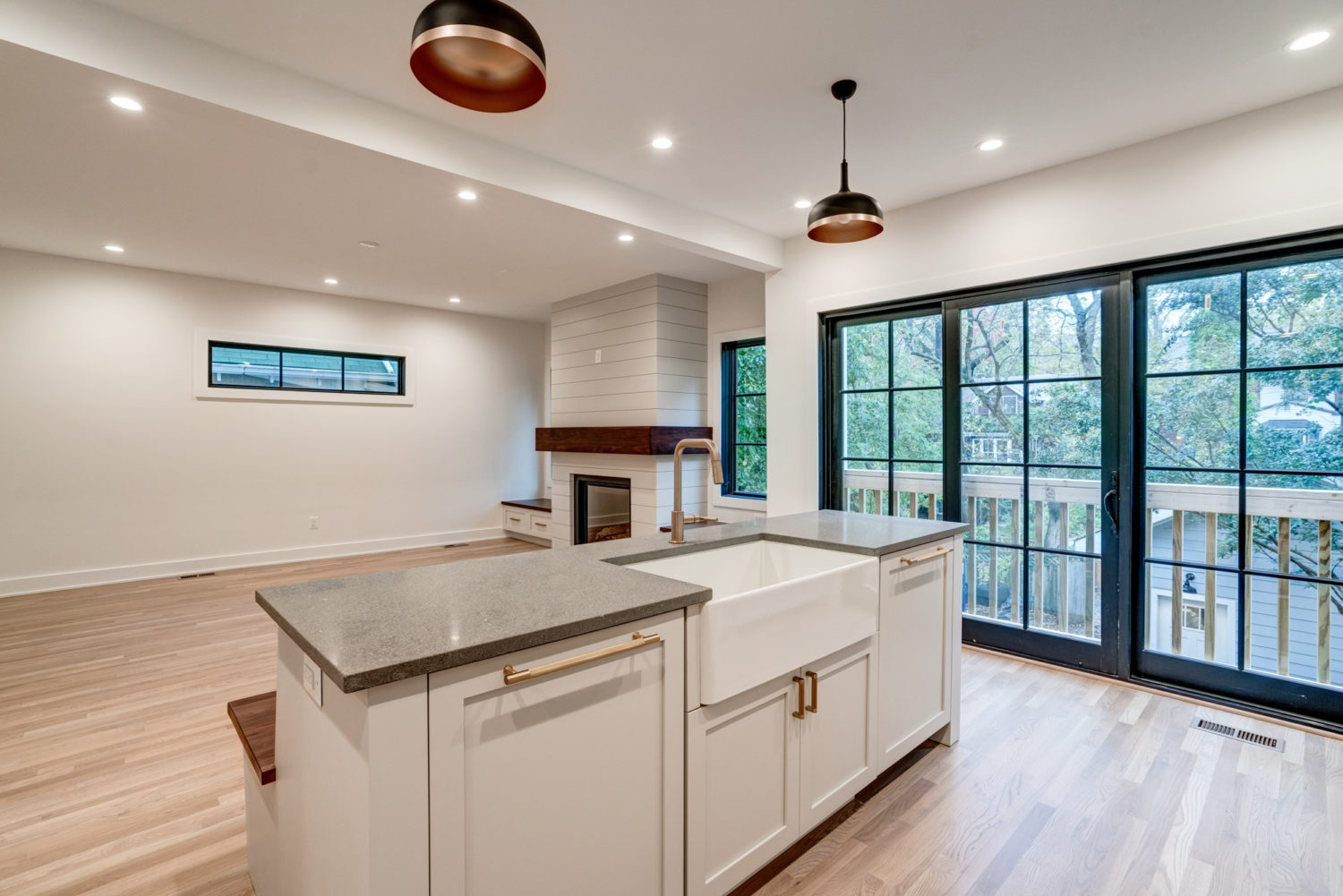
A typical home remodeling project usually takes three to six months on average, based on the size of the job, scale of the house, and material lead times. Intricate jobs could demand more time for completion.
What's the best way to avoid typical errors you should steer clear of throughout the renovation process?
Typical pitfalls in the remodeling process include failing to budget properly, not securing the required permissions, not adhering to the project schedule, failing to communicate effectively with your builders, and not considering long-term functionality. Awareness of these pitfalls helps ensure a more efficient, more successful remodeling experience.
What's the best way to select the right materials for the job?
Choosing the right materials means considering how long they will last, aesthetics, and cost constraints. Looking into different products, talking to specialists, and considering maintenance needs will significantly help in reaching educated conclusions, making sure the renovation matches your needs and preferences.
Can I live in my home during renovations?
It is possible to remain on the premises during renovations, but it could be uncomfortable. Thorough preparation, maintaining open dialogue with your builders, and creating defined spaces where you can live normally can help minimize disruption during the process.
What kind of coverage should be provided from the renovation company?
Homeowners should expect warranties covering workmanship, the supplies used, and structural components, typically ranging from one to ten years. It is essential to examine specific terms and conditions with contractors to know the full extent of the guarantee and its restrictions.